The first planned community was Levittown, a community built in Long Island in the late 1940’s. The purpose of Levittown was to intend to offer low-interest homes to veterans. Though there was no formal association, community rules and regulations did exist.
Communities like Levittown continued to pop up throughout the mid-nineteenth century. The 1960’s saw great growth in HOA communities. The HOA growth was a result of the federal government’s encouragement of more residential developments. Along with government encouragement, the resulting mass exodus to the suburbs from the cities was also a great contributor.
The popularity of these communities increased the cost of land. As a result, developers began increasing the volume of homes on each parcel of land. They also varied the types of homes built.
Shared, common recreational space allowed for smaller personal lot sizes. The smaller plot size allowed for more homes. More homes were needed to meet the swelling demand.
Clusters of homes were built around a communal, often amenity-rich space. Association Boards of Directors were elected or appointed to manage that common space. The association acted as the community government for their neighborhoods. They managed responsibilities that were traditionally handled by local government authorities, for example road repair, landscaping and building maintenance. As more communities became established the HOA model began to shift. It molded according to the wants and needs of residents. Eventually, this morphed into what we know today as the modern HOA industry. As HOA communities become more common state governments have begun to establish regulations and laws. In Florida HOA rules can be found in Chapters 718 and 720 of the state code.
There are over 370,000 homeowner associations in the United States. These 370,000 represents over 40 million households (over 53% of the owner-occupied households in America). An estimated 45% of Florida residents live in an HOA community representing 49,000 HOAs.
Tag: homeowners-association
-
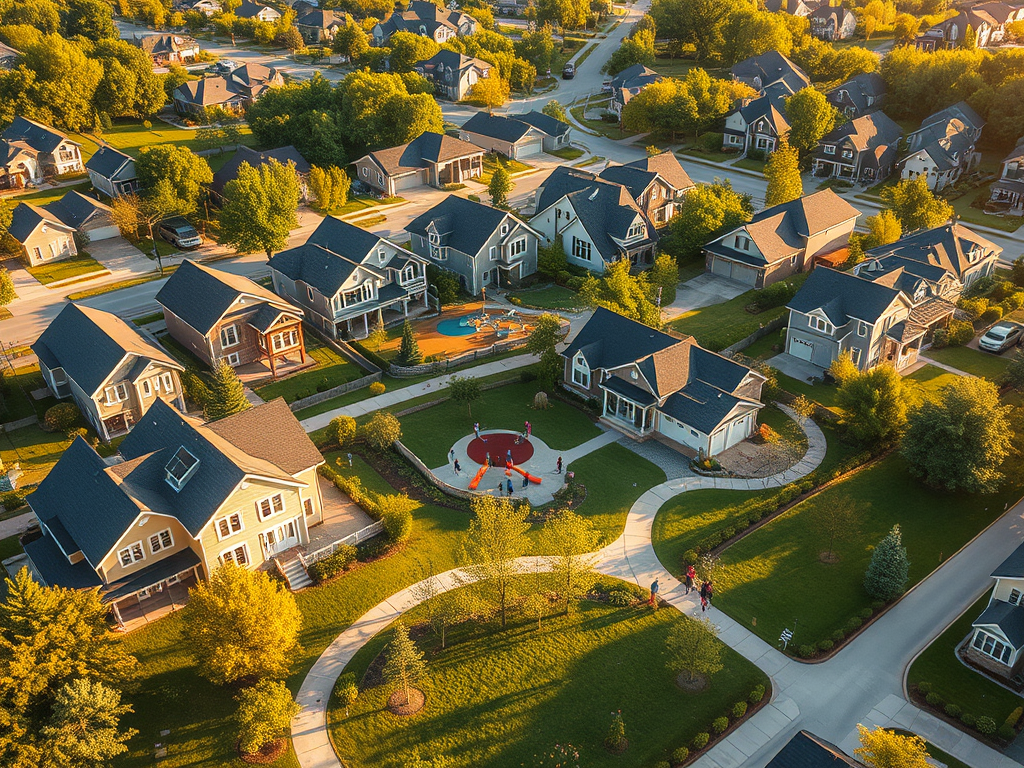
The Evolution of Planned Communities in America
-
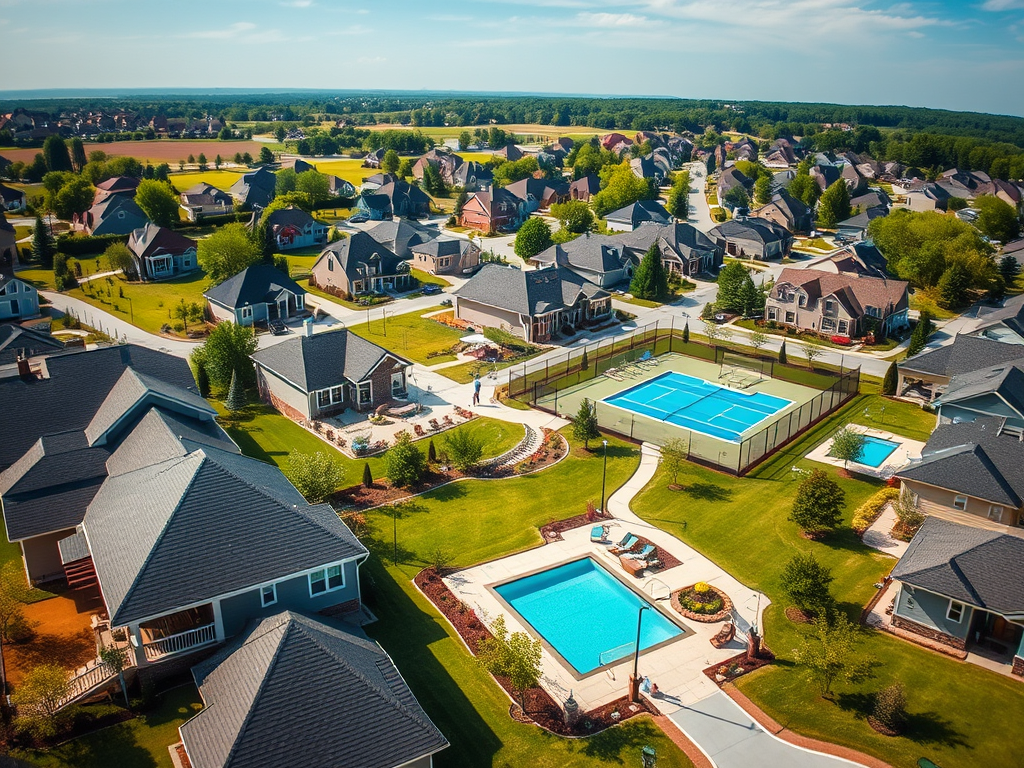
The Benefits of Living in a Community Association
How many people would like to read about the history of home owner associations?
None?
That’s what I thought.
Just know that the concept of home owner associations popped up in the 1940s.
In 1963 the FHA approved mortgage insurance exclusively for condo associations and sub-divisions that had an HOA.
In 1972 the Community Associations Institute worked with real estate experts. They created a plan that would balance developer needs and consumer protections.
Today, about 30% of the U.S. population lives in some form of community association. The expectation is that this number will continue to grow.
Why do I bring this up? The thinking about COA / HOA needs to change.
There are people that hate owner associations, People that vow to never live in or buy into an owner association. Of course there are the people that move into one, but decide that the rules don’t apply to them.
I have talked about the value of owner associations on other blogs. I have also addressed the necessity of owner associations at many meetings.
If you hate them, I can’t change your mind. I can just tell you that you are being shortsighted.
Sure, you buy a home and you a certain level of freedom to do what you want with and around your home. Your owners association can actually protect you from yourself. At least in theory.
By-laws, rules and regulations are written for these communities. The governing documents are structured to best guarantee owner freedom and community integrity. They also balance shared costs and property value protection.
When you buy into an owner association, you take on a responsibility to follow the rules. You must do your part to be part of a thriving community. It is no different a commitment than you make when moving into any community.
Owner communities have a unique structure. Because of their shared costs, they allow more homeowners to enjoy amenities. These amenities are ones that standard communities may not have. Parks, club houses, and tennis courts are just a few. Swimming pools and dog runs are also perks that can be found in many communities.
Owners gain private access to these perks by living in the community and paying their dues; an equal fair share of the elements cost.
Owners are also protected from neighbors that might not live up to a standard that enhances property values. COA / HOA communities set a standard. They ensure your home value doesn’t decrease due to a neighbor’s tacky nature.
No, not everything is perfect in a COA / HOA community. Yet if everyone followed the rules, acted in good fellowship and lived as a proper neighbor, a COA / HOA can be the one protection you have to maintain your properties value.
 Things Tom Thinks You Should Think